Choosing the right Stepper Gear Motor can greatly influence your project’s success. According to Dr. Emily Carter, a recognized expert in robotics, “The precision of a Stepper Gear Motor can make or break your design.” Her insights highlight how crucial it is to understand the specific requirements of your application.
When selecting a Stepper Gear Motor, consider factors like torque, speed, and control. A mismatch in these areas can lead to inefficient performance. This is where many project developers falter. They overlook the load requirements or the environment of their design. A well-chosen Stepper Gear Motor ensures consistent performance in varying conditions.
Furthermore, understanding the types of Stepper Gear Motors can be overwhelming. With options ranging from bipolar to unipolar configurations, clarity is key. Investors should also reflect on the long-term operational costs and maintenance. A motor that seems cheaper initially might cost more over time if it’s not suited for your needs. These reflections can steer you toward a more informed and beneficial choice.
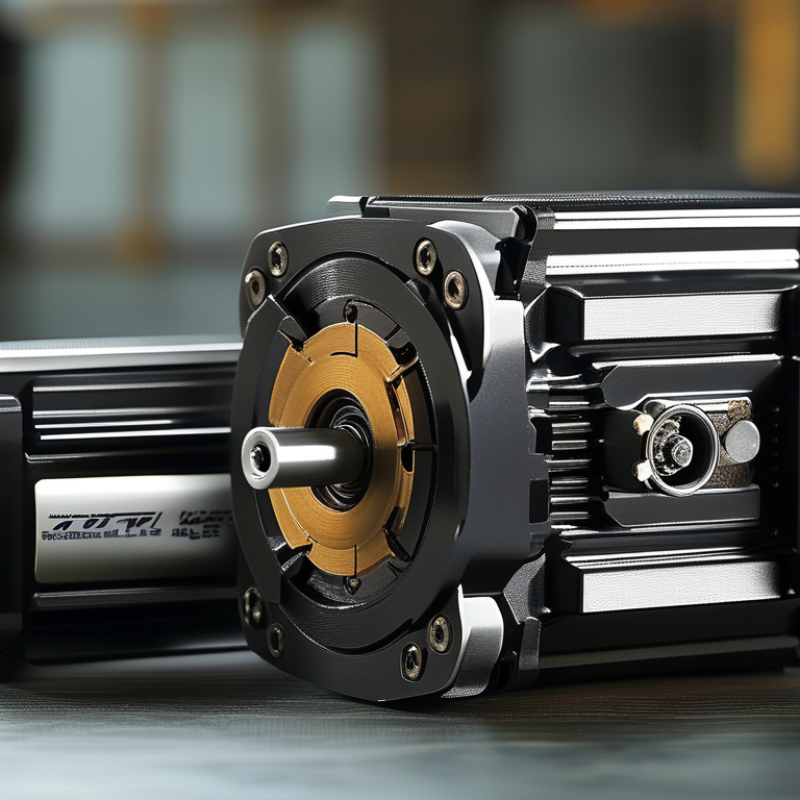
Understanding the Basics of Stepper Gear Motors
Stepper gear motors are integral to precision control in various applications, such as robotics and CNC machinery. Understanding their fundamentals is key to selecting the right motor for your project. A stepper motor converts electrical pulses into discrete mechanical movements. This allows for controlled rotational positions, enhancing accuracy. Reports indicate that the stepper motor market is projected to reach $5.50 billion by 2027, underscoring their increasing relevance.
When choosing a stepper gear motor, consider torque requirements and speed ratings. The torque determines the load a motor can handle effectively. It's essential to match these specifications with your application needs. A common mistake is underestimating the motor's torque, leading to performance issues. Be aware of the motor's step angle as well; smaller angles provide finer control.
Tip: Calculate the required torque with the formula: Torque (Nm) = Force (N) x Distance (m). This ensures you select a motor that meets the demands of your project without oversizing it.
Also, analyze driver compatibility and control methods. Not all motors work efficiently with every driver, which can impact performance. Immerse yourself in community forums or technical papers for insights and practical experiences. Engaging with experienced users can provide invaluable tips and troubleshooting advice.
Identifying Your Project Requirements and Specifications
When choosing a stepper gear motor, understanding your project requirements is key. Start by determining the torque needed for your application. Torque is vital for ensuring your motor can perform tasks effectively. Make a list of the mechanical demands, such as load weight and speed requirements. These specifics guide you in selecting the right motor.
Next, consider the operating environment. Will the motor be exposed to high temperatures or humidity? Will it encounter dust or debris? These factors can impact the motor's longevity. Ensure the motor’s specifications align with your conditions. Evaluate various options and their materials. Not all stepper motors are built the same. Some may fail prematurely in harsh environments. It’s essential to reflect on these aspects before making a decision.
Finally, voltage and current ratings cannot be overlooked. These specifications affect the motor's performance and efficiency. Understand how these ratings impact power consumption and heat generation. Balancing these elements is critical. A miscalculation here might lead to inefficiency or even failure. It's beneficial to consult with professionals or reputable sources. Rely on experienced individuals to gain further insights.
How to Choose the Right Stepper Gear Motor for Your Project?
| Requirement |
Specification |
Example Value |
| Torque |
Holding Torque |
1.5 Nm |
| Speed |
Maximum Speed |
400 RPM |
| Voltage |
Operating Voltage |
12 V |
| Control Type |
Control Method |
Open-loop |
| Step Angle |
Step Angle Size |
1.8° |
| Weight |
Motor Weight |
2.5 kg |
Evaluating Torque and Speed Characteristics
When choosing a stepper gear motor, torque and speed characteristics are crucial. Torque dictates the load a motor can handle, while speed influences how quickly it performs tasks. Reports indicate that a motor with high torque can achieve better performance in applications like CNC machines or 3D printers. For instance, a stepper motor may reach a holding torque of 1.5 Nm at 500 RPM, which is essential for maintaining precision.
Additionally, the relationship between torque and speed is often nonlinear. As speed increases, torque typically decreases. This inverse relationship can complicate project decisions. A motor can produce ample torque at lower speeds but may struggle at higher speeds. Industry studies show that motors operating at peak torque often have lower efficiency, highlighting a need for careful matching of requirements to specifications.
Selecting the right motor requires understanding specific application needs. For example, if a project demands high-speed rotation, a different motor gearing ratio might be required to maintain torque levels. Recognizing the nuances in torque and speed characteristics can lead to better project outcomes. An informed choice enhances both performance and operational efficiency.
Assessing Gear Ratios and Motor Sizes
Choosing the right stepper gear motor for your project can be challenging. One critical factor is the gear ratio. This ratio determines how many times the motor must rotate to turn the output shaft once. A higher gear ratio increases torque but lowers speed. Conversely, a lower ratio offers faster speeds. Understanding these dynamics is crucial for project success.
Motor size is equally important. Larger motors can handle more load but take up more space. Conversely, smaller motors are compact but may struggle with heavy tasks. Balancing size and power is often a trial and error process. You may find that a smaller motor works for some applications but not others. Experimenting with different setups is key. Reflecting on your project's specific needs will lead to more informed decisions.
Remember, there’s no one-size-fits-all solution. Each project presents unique challenges. Assess your requirements carefully. Not every combination of gear ratio and motor size will yield the desired results. Reflect on your experiences and adjust accordingly.
Considering Control Methods and Compatibility
When selecting a stepper gear motor for your project, control methods and compatibility are crucial.
Stepper motors offer various control techniques, including open-loop and closed-loop systems.
Consider how precise your project needs to be.
Open-loop systems are simpler and cost-effective, while closed-loop systems provide better accuracy and feedback.
Tips: Understand your project's requirements. If you need high precision, lean towards closed-loop systems.
However, they may increase complexity.
Compatibility is also key. Ensure your motor matches the driving controller.
Not all controllers support every motor type.
Check voltage and current specifications. A mismatch can lead to inefficiencies or failures.
Tips: Always refer to datasheets for compatibility information. Testing components before full integration is advisable.
Evaluate your motor's thermal limits during operation.
Selecting the right motor involves considering both control methods and component compatibility.
Misjudgments can affect performance.
Take your time to evaluate all aspects carefully. Ensure your choices align with your project's goals and requirements.
FAQS
: Start by determining necessary torque. List mechanical demands like load weight and speed.
Motors can fail in extreme conditions. Assess temperature, humidity, and dust exposure before selection.
These specifications impact performance and efficiency. Miscalculations can lead to inefficiency or failure.
Torque can decrease as speed increases. This complicates choosing the right motor for specific tasks.
Choose between open-loop and closed-loop systems. Your precision needs will guide this decision.
Verify that motor specifications match controller ratings. Mismatches can cause failures.
Consider project requirements and conduct thorough testing. Ensure everything aligns properly.
Experienced individuals can provide helpful insights and help avoid costly mistakes.
Ignoring thermal limits may lead to overheating and permanent damage to the motor.
No, always refer to datasheets. Documentation helps prevent compatibility issues in the project.
Conclusion
Choosing the right stepper gear motor for your project involves a comprehensive understanding of its basics and careful evaluation of specific requirements. Initially, it's crucial to grasp how stepper gear motors operate, including their unique characteristics and operational advantages. From there, identifying the project's requirements, such as load, speed, and precision, will help narrow down options.
Furthermore, evaluating torque and speed characteristics ensures that the selected motor can meet performance criteria under various conditions. Assessing gear ratios and motor sizes is equally important, as these factors significantly influence the motor's efficiency and output. Finally, considering control methods and compatibility with your existing systems will guarantee seamless integration. By following these steps, you can confidently select the most suitable stepper gear motor for your needs.
 RSI Motors
