RSI Motors RSI Motors

How to Choose the Right Robust Gear Motor for Your Needs?

Time:2026-09-03 Author:Sienna
0%

In the world of industrial machinery, selecting the right Robust Gear Motor is crucial for optimal performance. As noted by industry expert Dr. John Smith, "A suitable gear motor can dramatically enhance operational efficiency." Understanding the distinct features and applications of gear motors is essential for engineers and project managers alike.

Choosing the appropriate Robust Gear Motor involves careful consideration. Factors such as torque requirements, speed variations, and environmental conditions must be evaluated. Many professionals overlook the importance of these parameters, leading to inefficiencies. A poorly suited gear motor can result in increased downtime and maintenance costs.

Moreover, it’s important to reflect on the durability and compatibility of your chosen motor. Are you aware of potential mismatches? Engaging with suppliers and technical documentation can provide insights. Ultimately, the right Robust Gear Motor is not just about specifications; it’s about aligning with your operational needs and future goals.
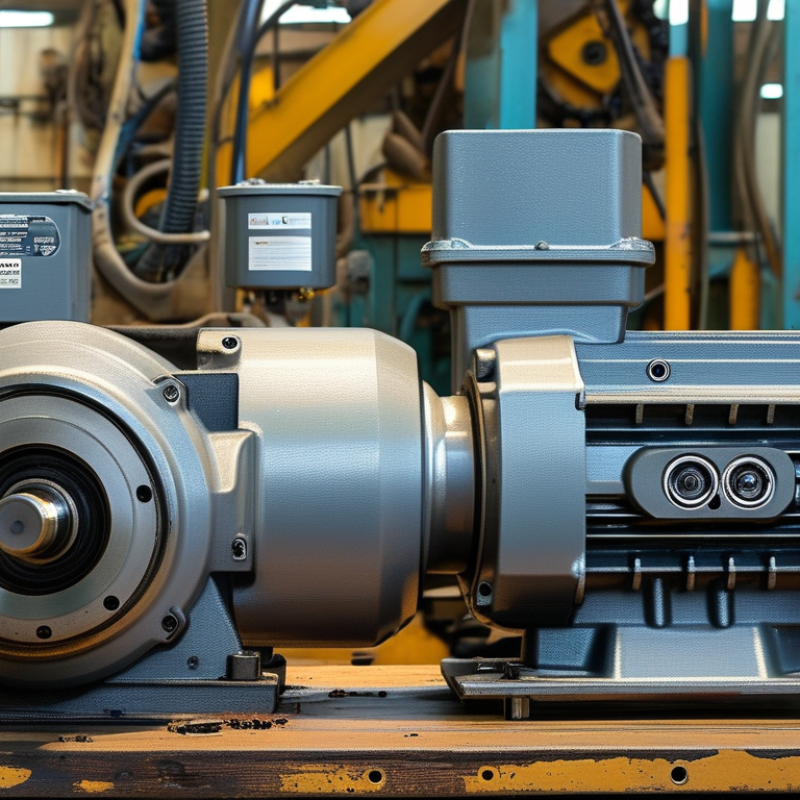
How to Choose the Right Robust Gear Motor for Your Needs?

Understanding the Basics of Gear Motors and Their Applications

Gear motors play a crucial role in various applications, from industrial machinery to robotics. These devices combine a motor with a gear system, adjusting speed and torque. Understanding their components is vital. The motor converts electrical energy into mechanical energy. The gear system modifies this energy by changing the rotation speed and increasing the output torque. This combination allows for smoother operations in diverse settings.

Choosing the right gear motor requires knowledge of its application. For example, in robotics, precision is key. A motor with high torque and fine control is necessary. In contrast, conveyor systems may prioritize speed over torque. Demands vary across sectors, including automotive, food processing, and packaging. Each application introduces different challenges, such as load conditions and speed requirements.

Selecting an appropriate gear motor can be complex. It is essential to consider system compatibility, efficiency, and durability. Sometimes, a motor may provide sufficient torque but fail in speed. Other times, a high-speed motor may not handle heavy loads adequately. Testing and prototyping can reveal shortcomings. Always re-evaluate your choice to ensure optimal performance in real-world conditions.

Key Factors to Consider When Selecting a Robust Gear Motor

When choosing a robust gear motor, several key factors need to be considered. Start by assessing the power requirements for your application. Consider the load that the motor has to handle. This includes torque and speed specifications. Selecting the right specifications ensures that the motor operates efficiently without overloading. A motor that is too weak may fail prematurely. Conversely, an oversized motor can lead to unnecessary costs and energy waste.

Another important aspect is the environment in which the gear motor will operate. Temperature changes, moisture, and dust can affect performance. For harsh environments, opt for sealed gear motors or those with protective coatings. Additionally, review the material of the gear motor. Different materials offer varying levels of durability, which can impact the longevity of the motor.

Lastly, ensure that the motor meets industry standards and certifications. This not only indicates reliability but also showcases the manufacturer’s commitment to quality. While it may be tempting to focus solely on price, investing in a high-quality motor can prevent issues down the line. Reflecting on these factors can lead to more informed choices, improving overall performance and reliability.

How to Choose the Right Robust Gear Motor for Your Needs?

Factor Description Importance Level Recommended Range
Torque The rotational force needed to move the load. High 0.5 - 100 Nm
Speed The operating speed of the motor. Medium 10 - 3000 RPM
Voltage Voltage required for operation. High 12V - 48V
Gear Ratio The ratio of the speed of the input to the speed of the output. Medium 5:1 - 100:1
Efficiency How efficiently the motor converts electric power into mechanical power. High 70% - 95%

Assessing Torque Requirements for Your Specific Use Case

When selecting a robust gear motor, understanding torque requirements is crucial. Torque is defined as the rotational force produced by the motor. For most applications, it’s vital to calculate the required torque based on load conditions. According to industry reports, a motor operating under excessive load can lead to overheating. This can significantly shorten its lifespan and increase maintenance costs.

For instance, if a gear motor is too small for the intended application, it might not start or could stall under load. The general guideline is to aim for a safety margin of about 20% above the calculated torque. This ensures that the motor can handle unexpected loads.

One key aspect to remember: consider your environment. Factors such as temperature and humidity can affect the performance of the gear motor. When assessing your needs, don't overlook the actual physical constraints of your setup. Testing various motors under real conditions can reveal limitations not evident in theoretical calculations. Always keep an open mind to adjust specifications as needed based on real-world results.

Evaluating Durability and Performance Specifications

When selecting a robust gear motor, evaluating durability and performance specifications is crucial. Different applications demand varying levels of strength and endurance. Look for motors that are rated for high torque and load factors. These specifications will determine how well the motor performs under stress. Ensure it can operate in your environment, whether that's high temperatures, dust, or moisture. Reliable performance often correlates with the motor's construction materials, such as high-grade steel or corrosion-resistant alloys.

Consider the efficiency ratings of the gear motor. An efficient motor will consume less energy while delivering optimal performance. It's important to balance energy use with the power needed for your specific task. Investigate the gear ratio as well; it plays a vital role in translating input speed to output torque. A mismatched ratio could lead to mechanical failure or inefficiencies down the line.

Test the motor under various load conditions if possible. Real-world application often reveals potential issues not apparent in specifications. Be prepared to adjust your choices based on performance feedback. A gear motor may look perfect on paper but perform poorly in practice. Continuous evaluation is key to ensuring you select the most suitable option for your needs.

Comparing Different Gear Motor Types and Technologies

Choosing the right gear motor can be challenging. Understanding different types is essential for making an informed decision. Gear motors are classified into various types, including spur, planetary, and worm gear motors. Each type serves unique purposes based on torque, speed, and efficiency requirements.

Spur gear motors are simple and efficient. They are optimal for applications with moderate torque needs. However, they can be noisy and have less shock-load resistance. Planetary gear motors, in contrast, offer higher torque and smoother operation. They are compact and ideal for space-limited designs. Worm gear motors provide high torque at low speeds but have lower efficiency. This could lead to heating issues if not managed correctly.

When selecting a gear motor, consider these factors: load requirements, speed, and efficiency. It's crucial to match the motor's specifications with your application needs. If uncertain, consult with an expert. An experienced professional can guide you towards the best option. Evaluating your specific requirements will lead you to a more reliable solution. Test different configurations to see what works best. This exploration may reveal unexpected results that could enhance performance.

Comparison of Different Gear Motor Types

FAQS

: How important is torque in selecting a gear motor?

: Torque is crucial; it's the rotational force a motor produces. Calculate the required torque based on load conditions.

What happens if a motor is undersized for its application?

An undersized motor may stall or fail to start under load. This can lead to operational issues and costly repairs.

Why should I include a safety margin in my torque calculations?

A 20% safety margin accounts for unexpected loads. It helps prevent overheating and extends the motor's lifespan.

What environmental factors impact gear motor performance?

Temperature and humidity can affect performance. Ensure the motor can operate efficiently in your specific environment.

How can I evaluate the durability of a gear motor?

Check its strength and endurance ratings. Materials like high-grade steel improve durability and resistance to wear.

What is the significance of energy efficiency in gear motors?

Efficient motors consume less energy while delivering necessary performance. Balance energy use with your task requirements.

Why is testing under real conditions important?

Testing reveals potential issues not found in specifications. Real-world applications often show limitations that need attention.

How does the gear ratio affect motor performance?

The gear ratio connects input speed to output torque. Mismatched ratios can lead to mechanical failures or inefficiencies.

Should I adjust my motor choice based on feedback?

Yes, continuous evaluation helps refine your selections. Performance feedback can indicate if adjustments are necessary.

What should I consider if my motor is not performing as expected?

Reflect on the torque, load conditions, and environmental factors. It's important to revisit specifications for adjustments.

Conclusion

Choosing the right robust gear motor is essential for optimizing performance in various applications. Understanding the basics of gear motors, including their construction and function, lays a foundation for making informed decisions. Key factors to consider include torque requirements tailored to your specific use case, as well as the durability and performance specifications necessary to ensure longevity and reliability in operation.

Evaluating the different types and technologies of gear motors available is crucial for matching the motor to your needs effectively. By comparing features and capabilities, you can identify the best robust gear motor that meets the demands of your project while ensuring high efficiency and satisfactory performance in diverse environments.

Sienna

Sienna

Sienna is a skilled marketing professional with a deep expertise in our company’s core products and services. With a passion for innovation and detail, she plays a pivotal role in crafting insightful blog posts that not only highlight the unique features of our offerings but also provide valuable......