Coreless DC Motors have gained significant traction in various industries due to their unique design and efficiency. According to a report by Grand View Research, the global DC motor market is projected to reach $30 billion by 2026, driven by the rising demand for compact and powerful motors in robotics and consumer electronics. Coreless DC Motors, with their lightweight and compact structure, offer distinct advantages over traditional motors, making them ideal for applications in space-constrained environments.
Their design reduces inertia and enhances responsiveness, promoting improved performance. As noted in a study by the International Journal of Electrical Engineering Education, this technology minimizes energy loss and heat generation, which is essential for long operational lifespans. However, not all projects require a coreless motor; the selection depends on specific needs. Evaluating operational requirements, load demands, and physical constraints is crucial in determining whether a Coreless DC Motor is the right fit.
Furthermore, while the benefits are clear, some challenges exist. The cost of coreless motors can be higher than traditional options, potentially limiting their application in budget-sensitive projects. It’s imperative for engineers to weigh these factors carefully, ensuring they choose the right motor for optimal outcomes.
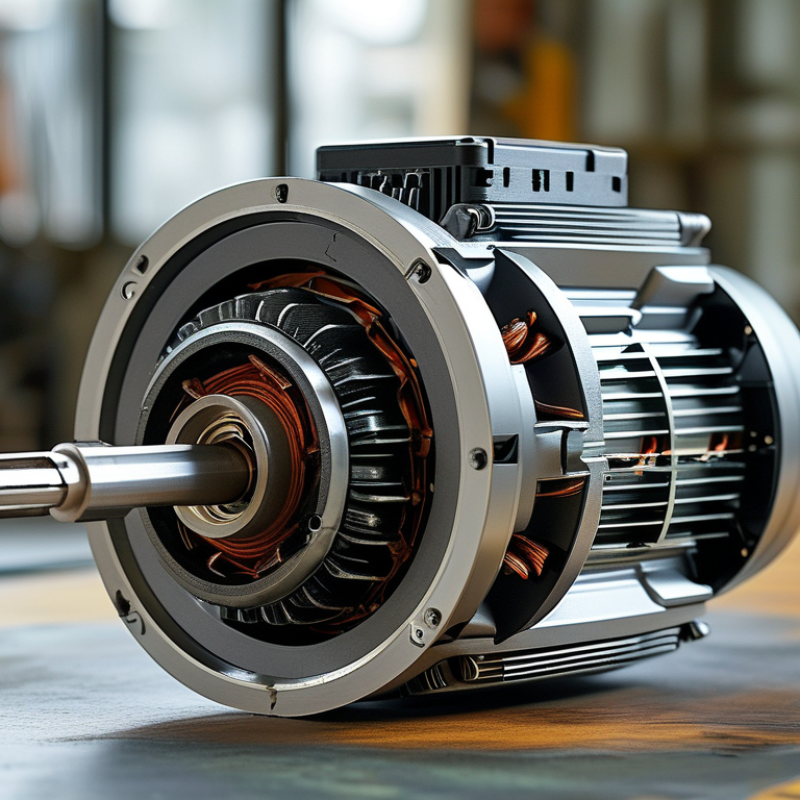
Understanding Coreless DC Motors: An Overview
Coreless DC motors are unique and increasingly popular in various projects. These motors operate without a ferromagnetic core, which allows for a lighter and more compact design. The absence of a core also means less inertia, enabling quicker start and stop times. This feature is beneficial in robotics or any application requiring precision and responsiveness.
With fewer components involved, coreless DC motors can reduce mechanical noise and increase efficiency. This enhances their reliability, especially in delicate settings, such as medical devices. However, this doesn't mean they are perfect. The lack of a core can lead to challenges in heat dissipation. Designers should consider this aspect to avoid overheating.
Flexibility is another key characteristic of these motors. They can be found in sizes suitable for various applications, from tiny drones to larger automation equipment. Yet, the selection process might seem daunting due to their range. It's essential to match the motor specifications with the project's needs accurately. Even the slightest mismatch can lead to performance issues and wasted resources.
Key Advantages of Coreless DC Motors for Various Applications
Coreless DC motors are becoming increasingly popular in various applications, thanks to their unique advantages. They provide high efficiency and a lightweight design. This makes them suitable for devices like drones and portable tools where weight matters. According to a report by the International Electrotechnical Commission, these motors can improve energy use by up to 30%. This efficiency translates into longer operational times, which is crucial in many modern applications.
Another notable advantage is their superior speed control. Coreless DC motors can adjust their speed quickly, responding in real-time to user requirements. Research shows they can operate smoothly from just a few RPMs to thousands, offering flexibility in applications ranging from robotics to consumer electronics. Despite these benefits, it's essential to consider that they may require more advanced controllers compared to traditional motors. This complexity can lead to design challenges, which need careful planning and expertise.
Moreover, the absence of a core means fewer cogging effects, resulting in smoother operation. This is particularly beneficial in precision applications. However, developers should be aware of potential thermal challenges. Since these motors are often compact, they can heat up quickly, requiring effective thermal management solutions. Recognizing these factors can enhance the overall performance and reliability of projects utilizing coreless DC motors.
Applications of Coreless DC Motors in Modern Technology
Coreless DC motors are transforming various sectors, thanks to their unique design. These motors eliminate bulky components, making them lightweight and efficient. According to a recent report by Allied Market Research, the global coreless motor market is projected to reach $1 billion by 2027, demonstrating a significant rise in demand across industries.
In robotics, coreless DC motors are favored for their high responsiveness. Their compact size allows seamless integration into small robots and drones. This agility is crucial for applications requiring precision, such as advanced medical equipment. A study from the IEEE Journal of Robotics highlighted that using coreless motors improved performance in surgical robots by 35%. This is significant for surgical accuracy and patient outcomes.
Coreless motors also find applications in consumer electronics. They offer quiet operation and longevity, qualities essential for handheld devices. A report from Transparency Market Research indicates that the demand in consumer electronics will grow by 8% annually. However, challenges remain. The cost of high-performance coreless motors can be a barrier for smaller manufacturers. Balancing quality and cost is a continual point of reflection for project designers.
Factors to Consider When Choosing Coreless DC Motors for Projects
When choosing coreless DC motors for your projects, several factors are crucial. One key factor is size and weight. Coreless motors are compact, making them suitable for limited spaces. They are lighter than traditional motors, which can be beneficial for portable applications. However, some users may underestimate the importance of size, leading to design challenges later.
Another aspect is efficiency. Coreless motors offer high efficiency due to low inertia and reduced energy losses. They maintain performance across various speed ranges. It’s vital to check the motor’s torque and power ratings. This information ensures that the motor meets your project’s specific requirements. A mismatch can result in underperformance or burnout.
Tip: Always factor in the operating environment. Coreless motors are sensitive to temperatures and vibrations. If your project involves harsh conditions, consider additional protective measures.
Tip: Testing different models is essential. Users often overlook prototypes, assuming one model will fit all needs. Real-world testing can reveal unexpected issues in performance or durability. This can save time and resources in the long run.
Best Practices for Integrating Coreless DC Motors into Your Designs
Integrating coreless DC motors into your projects can be a rewarding experience. These motors offer high efficiency and compact size, making them perfect for various applications. However, careful consideration is essential to maximize their potential.
When designing your projects, ensure that you choose the right specifications for your motor. Consider torque requirements, speed, and voltage. Check the physical space available and ensure the motor fits appropriately. A mismatch can lead to performance issues or installation difficulties. Pay attention to the wiring; poorly connected wires can cause excessive heat or hinder motor function.
**Tip:** Test the motor before full installation. This step will identify any immediate issues.
Monitoring the power supply is also crucial. Coreless DC motors can be sensitive to voltage fluctuations. Improper voltage can either damage the motor or reduce its efficiency. It's smart to include a regulator to maintain a stable power supply.
**Tip:** Use a multimeter to check voltage levels during testing.
Lastly, consider cooling options, especially in high-load situations. Overheating can shorten the lifespan of your motors. Ensure there's adequate ventilation around the motor and avoid enclosed spaces. Remember to review your design periodically. Reflecting on performance data can lead to improvements in future projects.
What Makes Coreless DC Motors Ideal for Your Projects? - Best Practices for Integrating Coreless DC Motors into Your Designs
| Feature |
Description |
Advantages |
| Compact Size |
Coreless DC motors are smaller and lighter than traditional motors due to the absence of a core. |
Ideal for limited space applications, such as drones, robotics, and portable devices. |
| High Efficiency |
These motors provide high torque-to-weight ratios and low power losses. |
Extended battery life for mobile devices and lower energy costs. |
| Smooth Operation |
Coreless design reduces cogging and provides smoother motion. |
Increased precision in applications like CNC machines and robotics. |
| Fast Response Time |
Quick reaction speeds make these motors suitable for dynamic environments. |
Excellent for applications requiring rapid changes in speed and direction. |
| Customization Options |
Available in various sizes, voltages, and configurations. |
Flexibility in design, allowing tailored solutions for specific projects. |
FAQS
: Coreless DC motors operate without a ferromagnetic core. This design makes them lighter and more compact.
Less inertia allows for quicker start and stop times. This is essential in applications needing precision.
With fewer components involved, these motors function more quietly. This quality increases their reliability in delicate environments.
Match the motor's specifications with your project's needs. Torque, speed, and physical space are crucial factors.
Consider cooling options in high-load situations. Ensure proper ventilation and avoid placing the motor in enclosed spaces.
Testing helps identify immediate issues. It ensures the motor functions correctly before you complete the installation.
Improper voltage can damage the motor or reduce efficiency. A voltage regulator helps maintain stability.
Poorly connected wires can cause excessive heat. Proper wiring is vital for optimal motor function.
Reflecting on performance data can guide enhancements. Regular reviews may lead to better results next time.
Yes, while efficient, they can face challenges like heat dissipation. Designers should address this to avoid problems.
Conclusion
Coreless DC motors are gaining popularity in various projects due to their unique design and numerous advantages. Unlike traditional DC motors, coreless motors eliminate the iron core, resulting in reduced weight and increased efficiency. This makes them ideal for applications where compact size and high performance are critical. The ability to provide rapid response and precise control further enhances their appeal in modern technology, especially in robotics, drones, and medical devices.
When selecting a Coreless DC Motor for specific projects, it is essential to consider factors such as power requirements, speed, torque, and overall integration into your design. Adopting best practices during integration can optimize performance and ensure reliable operation. Understanding these aspects can make Coreless DC Motors a valuable asset in achieving innovative solutions and enhancing technological advancements in various fields.
 RSI Motors
