RSI Motors
In 2026, the demand for High Torque Gear Motors is expected to surge globally. Industries such as robotics, automotive, and renewable energy increasingly rely on these motors for their specific needs. High Torque Gear Motors deliver exceptional performance in compact designs. They excel in applications requiring high precision and efficiency.
Market trends indicate a shift towards more innovative technologies. Manufacturers are integrating smart features to enhance operational efficiency. This improvement leads to better energy management and durability in high-stress environments. However, choosing the right motor remains challenging for buyers. Factors like torque ratings, size, and cost must be carefully considered.
This article explores the top 10 High Torque Gear Motors available for global buyers in 2026. It provides insights into their specifications and applications. Ultimately, making an informed decision can elevate your project's success. Understanding these motors requires experience and knowledge of industry standards. Each option presented can significantly impact performance and reliability.
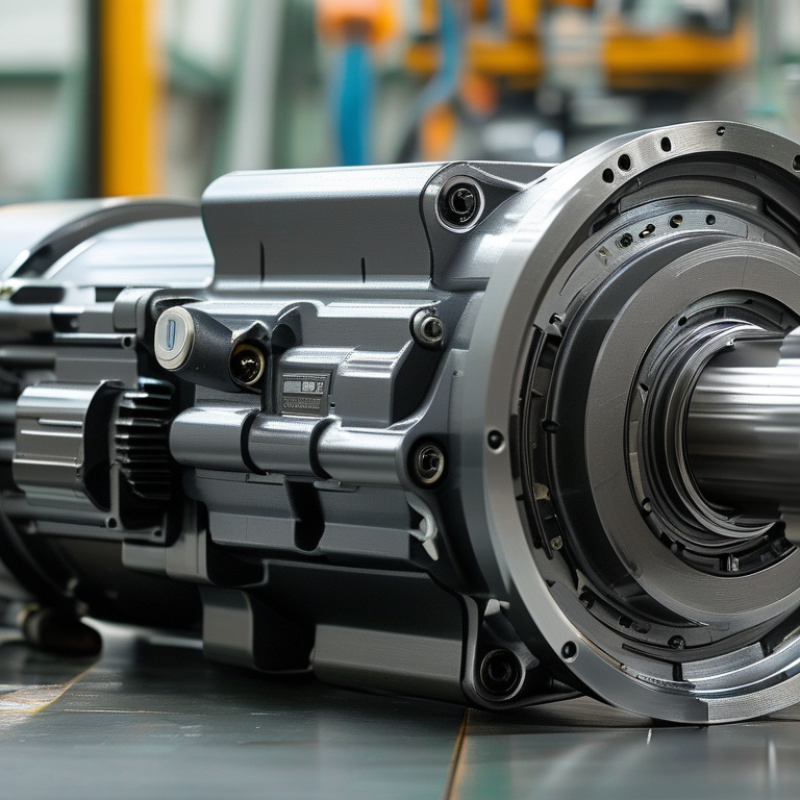
High torque gear motors are essential in various applications. They combine a gear reduction system with an electric motor. This configuration enhances torque output while maintaining speed. Key features include compact design, efficiency, and durability. Understanding these motors can help users make informed decisions.
The primary characteristics of high torque gear motors include their gear ratios and power capacity. Higher gear ratios yield more torque at lower speeds. This is particularly useful in industrial settings where precision is crucial. The motor's construction materials also affect performance and lifespan. Robust materials ensure reliability under heavy loads.
While many may assume all gear motors are the same, variations do exist. Users should consider specific requirements like mounting options and operational environments. Ensuring compatibility with existing systems is vital. Regular maintenance and inspections can prevent unexpected failures. These motors hold great potential, yet selection requires careful thought and a grasp of unique needs.
The gear motor industry is set for significant growth in 2026. Reports indicate a projected CAGR of 7.5% from 2023 to 2028, driven by demand across various sectors. This growth is indicative of a shift towards automation and efficiency in industries such as manufacturing and automotive. High torque gear motors are particularly sought after for their ability to provide substantial power in compact sizes.
Key players in this market are focusing on innovation and sustainability. Research shows that over 50% of firms are investing in R&D to improve energy efficiency and reduce emissions. This aligns with global trends towards green technologies. However, the industry faces challenges in supply chain management and fluctuating raw material costs, impacting price stability.
As buyers search for reliable gear motors, quality and performance remain critical. The need for robust products that meet stringent industry standards cannot be overstated. Reports suggest that approximately 30% of buyers experience issues related to product reliability. This highlights the necessity for thorough evaluation before purchase. The evolution of high torque gear motors is ongoing, with new innovations emerging regularly.
High torque gear motors are essential for various applications. Their ability to deliver significant force at low speeds makes them highly sought after. When considering a gear motor model, focus on specifications such as torque, speed, and efficiency. Performance metrics help buyers make informed decisions.
Many gear motors feature high-efficiency ratings. The peak torque value is critical, especially in power-intensive tasks. Remember, reliability is just as vital as performance. Buyers should also consider the motor's lifespan and maintenance requirements. Some models may require more upkeep than others.
Tips: Always verify specifications from credible sources. It’s advisable to consult with experts in the field. An informed choice can prevent future complications. Evaluating past customer experiences can also provide valuable insights. This helps address potential issues before they affect performance.
High torque gear motors play a crucial role in various industries due to their ability to provide reliable power and control. These motors are vital in sectors like manufacturing, automotive, and robotics, where precision and strength are essential. In manufacturing, high torque gear motors are used in conveyor systems, lifting equipment, and precision machining. Their ability to handle heavy loads with ease makes them indispensable in these applications.
The automotive industry also relies heavily on these motors. They are used in electric vehicles, robotic assembly lines, and production machinery. The demand for efficient and powerful motors continues to grow as the industry shifts towards automation and electrification. Robotics applications, particularly in warehouses and automated systems, further drive the need for high torque gear motors.
Tips: When selecting a gear motor, consider torque requirements. Match the motor's specifications to your application for optimal performance. Additionally, evaluate the environment it will operate in, as temperature and humidity can affect motor efficiency. Regular maintenance is essential; ensure timely checks to avoid unexpected breakdowns. Remember, not all high torque gear motors are the same. Understanding your specific needs is key to making an informed choice.
In 2026, gear motor technology will undergo significant changes. Innovations will enhance torque efficiency and reliability. New materials will contribute to lighter and more durable designs. Advanced manufacturing techniques, like 3D printing, will allow for complex geometries. This will further optimize performance and reduce production costs.
Wireless technology will revolutionize gear motors. Buyers will expect seamless connectivity for monitoring and control. Predictive maintenance features will become standard. This will minimize downtime and enhance operational efficiency. Real-time data analysis will lead to smarter decision-making for users.
However, challenges remain. The integration of smart technologies may complicate user interfaces. Not all companies are equipped to adapt quickly. A successful transition requires training and resources. Manufacturers must address these gaps to thrive in a competitive market. Looking ahead, innovation in gear motors will shape industries worldwide.
: High torque gear motors combine a gear reduction system and an electric motor. They enhance torque output while maintaining speed.
Consider gear ratios, power capacity, and mounting options. Compatibility with existing systems is also crucial.
Higher gear ratios provide more torque at lower speeds. This is essential for precision in industrial applications.
Robust construction materials affect performance and lifespan. Durable materials ensure reliability under heavy loads.
The industry is projected to grow at a CAGR of 7.5% from 2023 to 2028, driven by increased automation.
Challenges include supply chain management and fluctuating raw material costs. These factors can impact price stability.
Assessing past customer experiences and consulting experts helps in understanding potential issues before buying.
The peak torque value is vital, especially for power-intensive tasks. Reliability is equally important.
Regular inspections can prevent unexpected failures. Some models may require more upkeep than others.
Yes, energy efficiency is crucial for sustainability. Many manufacturers focus on reducing emissions and improving efficiency.
The article "Top 10 High Torque Gear Motors for Global Buyers in 2026" provides a comprehensive overview of high torque gear motors, highlighting their definitions, key features, and the critical role they play in various industries. It delves into market analysis, identifying growth trends and prominent players within the gear motor sector, while also discussing the specification and performance metrics of the top ten high torque gear motor models available for buyers.
Furthermore, the article explores the application areas where high torque gear motors are essential, showcasing industries that are driving their demand. Looking ahead, it offers insights into technological innovations that are expected to shape the development of high torque gear motors by 2026, emphasizing the ongoing evolution and potential advancements in this crucial segment of the motor industry.
