RSI Motors
The demand for Low Voltage Gear Motors is on the rise globally. These motors offer efficient performance in various applications. Industries such as automation, robotics, and transportation benefit from their use.
Choosing the right supplier can be challenging. There are numerous options available, each claiming to provide high-quality products. Buyers need to evaluate suppliers based on experience and reliability. Researching factory locations and production capabilities is essential.
Understanding specifications is also crucial. Not all Low Voltage Gear Motors are created equal. Some may offer higher torque while others focus on energy efficiency. This variation can impact project outcomes significantly. Buyers should remain vigilant about their choices.
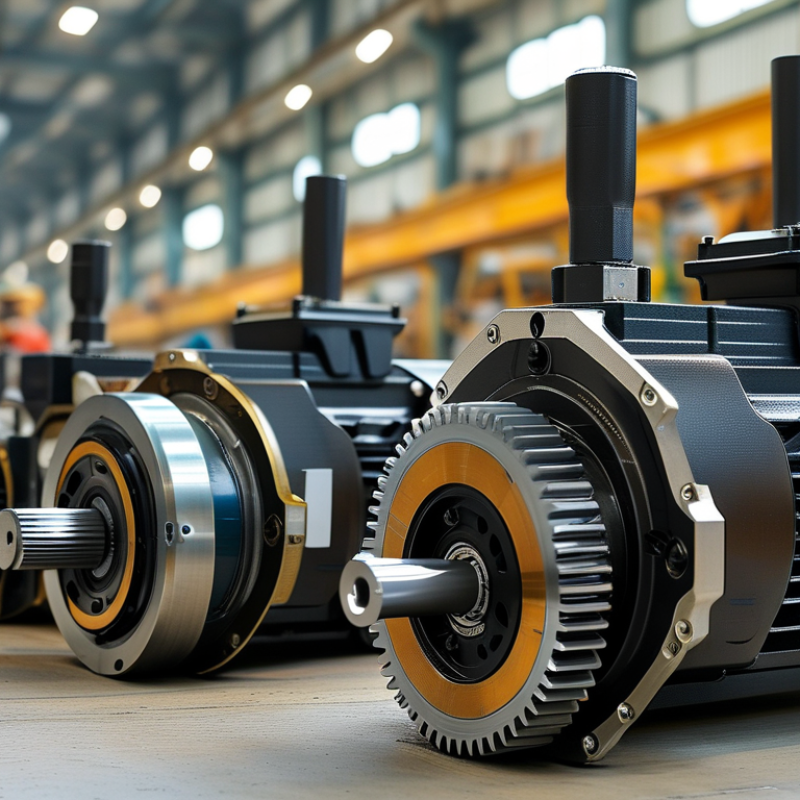
The demand for low voltage gear motors has surged in various industries globally. This growth is driven by the need for efficient power solutions in applications such as automation, robotics, and renewable energy. Understanding the landscape of suppliers is crucial for buyers seeking reliable products. Many suppliers offer a range of motor specifications, all catering to a diverse set of needs.
When evaluating suppliers, it is essential to focus on their expertise and capabilities. Look for those with a solid track record of performance and innovation. Reliable suppliers often provide detailed specifications and performance data. However, some may lack transparency about their manufacturing processes or product quality. This can lead to potential issues down the line. It is wise to ask for case studies or references to ensure the supplier's claims.
Furthermore, product support and customer service are important considerations. Buyers should assess how suppliers handle inquiries and technical support. Prompt responses can indicate a supplier's commitment to customer satisfaction. Occasionally, however, support can be lacking, leading to frustration and project delays. Conducting thorough research can help mitigate these risks and lead to a more informed purchasing decision.
The low voltage gear motor sector is witnessing notable growth, fueled by increasing demand in automation and industrial applications. According to a recent market report, this segment is projected to reach USD 10 billion by 2026, with a compound annual growth rate (CAGR) of approximately 6.5%. The surge is largely attributed to the rising need for energy-efficient solutions and reliable performance in various machinery.
Technological advancements play a crucial role in driving this market. Innovations in design and materials have improved efficiency and reduced operational costs. For instance, the integration of IoT features allows for better monitoring and control of motor functions. However, not all advancements lead to immediate benefits. Some users report difficulties adapting to new technologies, highlighting a gap in user training and support.
Market trends also indicate a shift towards sustainable practices. Manufacturers are focusing on eco-friendly materials and production methods. Interestingly, while there is a push for greener options, cost concerns still dominate procurement strategies. Buyers often struggle to balance budget constraints with the need for high-performance motors. This dichotomy presents an ongoing challenge for industry stakeholders.
| Supplier Region | Market Share (%) | Annual Growth Rate (CAGR) | Key Applications | Notable Features |
|---|---|---|---|---|
| North America | 25% | 5% | Automotive, Robotics | High efficiency, Compact design |
| Europe | 30% | 4.5% | Manufacturing, Food Processing | Durability, Modular design |
| Asia-Pacific | 35% | 6% | Textile, Electronics | Cost-effective, Versatile |
| Latin America | 5% | 3% | Agriculture, Construction | Energy-efficient, High torque |
| Middle East & Africa | 5% | 2.5% | Mining, Oil & Gas | Robust, Weatherproof |
Low voltage gear motors are critical components in various applications, from robotics to automotive. Understanding their features and specifications is essential for buyers. Key characteristics include their voltage ratings, torque outputs, and efficiency levels. According to a recent industry report, around 40% of manufacturers prioritize energy efficiency when selecting motors. This trend reflects a growing demand for sustainable solutions.
One significant aspect of low voltage gear motors is their compact size. This makes them ideal for applications where space is limited. The average dimensions of these motors typically range from 28 mm to 120 mm in diameter. Torque outputs vary widely, usually between 0.5 Nm to 70 Nm. Adaptability is another crucial feature. Many motors come with different gear ratios, allowing customization for specific applications.
However, despite the advancements, some challenges persist. Not all low voltage gear motors perform reliably under extreme conditions. A study highlighted that almost 25% of motors fail due to overheating. Proper thermal management is necessary for maintaining performance. Additionally, buyers must consider the trade-off between cost and durability. Cheaper options may lead to more frequent replacements, impacting long-term operational costs.
Low voltage gear motors are crucial in various industries, including automation and robotics. The market is competitive, with many players striving for dominance. Analyzing key characteristics of top suppliers can provide valuable insights for buyers. Common factors include efficiency, reliability, and performance. Buyers often prefer suppliers that offer a blend of these attributes.
Professionals frequently pay attention to the quality of materials used in gear motors. This aspect can significantly affect durability and operating costs. Those looking to invest should be cautious about choosing low-cost options that may compromise quality. Evaluating customer feedback is important, as it can reveal the real-world performance and potential issues not covered in specs.
Some suppliers may excel in technology but fall short in customer service. This imbalance can lead to frustration. Buyers must weigh the benefits of advanced technology against potentially inadequate support. A thorough comparison of features, pricing structures, and support systems can help buyers make informed choices. Accurate data on warranties and repair services is essential. Ultimately, a careful assessment of these factors can lead to better investment in low voltage gear motors.
When sourcing low voltage gear motors, global buyers must prioritize reliability and efficiency. Understanding the specifications of the motors is crucial. Different applications require distinct gear ratios and torque strengths. Buyers should assess the motor's performance under various load conditions. A detailed assessment can help determine the right motor for specific needs.
Engaging with multiple suppliers can foster competitive pricing and innovation. Consider asking for samples or trial orders to evaluate quality. Creating a checklist for critical motor attributes can streamline the selection process. Additionally, transparent communication with suppliers enhances trustworthiness. However, not all suppliers may meet expectations consistently. Regular follow-ups and feedback loops can help address potential issues before they escalate.
Balancing cost and quality can be challenging. Sometimes, lower-priced options may compromise long-term functionality. Conducting comprehensive research on suppliers' reputations is essential. Reviews and industry insights can provide valuable perspectives. Buyers must remain vigilant, as market dynamics can shift. Staying informed about advancements in technology or changes in the supply chain can significantly impact purchasing decisions. Continually reassessing strategies will help optimize the sourcing process.
: The growth is driven by rising demand in automation and a need for energy-efficient solutions.
It is projected to reach USD 10 billion by 2026 with a CAGR of approximately 6.5%.
Innovations in design, materials, and IoT integration are improving efficiency and reducing costs.
Users often struggle to adapt and require better training and support to fully benefit.
Manufacturers are focusing on eco-friendly materials, but cost concerns still dominate purchasing decisions.
Key specifications include voltage ratings, torque outputs from 0.5 Nm to 70 Nm, and compact sizes.
Proper thermal management is necessary as about 25% of motors fail due to overheating.
Buyers often face the dilemma between cheaper options that may require frequent replacements and durable choices.
Quality of materials, efficiency, reliability, and customer feedback are crucial when comparing suppliers.
Some suppliers may excel in technology but offer inadequate customer service, leading to potential frustration.
The article "Top Low Voltage Gear Motor Suppliers for Global Buyers" provides a comprehensive overview of the current landscape of low voltage gear motors, highlighting key market trends and growth projections. It examines the increasing demand for low voltage gear motors driven by advancements in automation and energy efficiency, along with their key features and specifications that enhance performance in various applications.
Furthermore, the article conducts a comparative analysis of the leading players in the low voltage gear motor market, offering valuable insights into their strengths and practices. Finally, it outlines effective sourcing strategies for global buyers, empowering them to make informed purchasing decisions in the competitive low voltage gear motor sector.
